BLOG
We Earned Their TRUST...
Now, Let Us Earn Yours!
What’s the best way to pack up my home?
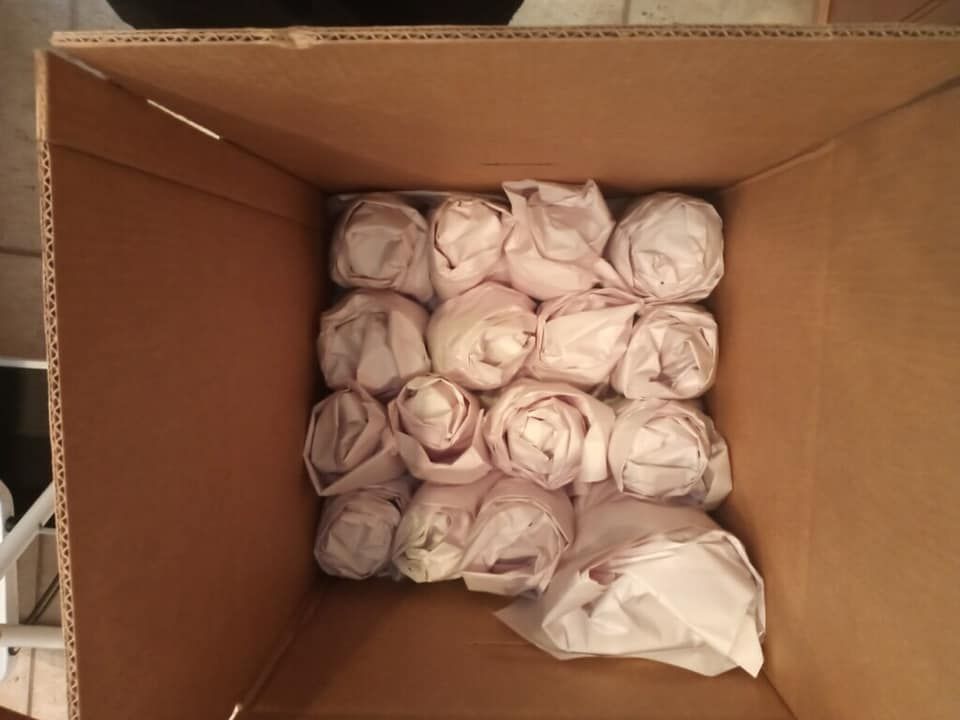
Packing can be a daunting task. Determining which boxes are most suitable for various items during the moving process can be challenging. There's always the dilemma of whether to hire professionals to ensure that nothing gets damaged and that your belongings are properly protected. Unfortunately, mover's insurance does not cover boxes packed by customers. How many boxes will I need? Is it possible to pay for partial packing services? When should I begin packing or arrange for professionals to take care of it? What packing materials do I require aside from boxes? Where can I find the best quality packing supplies at the most affordable prices? What is the ideal way to pack? How should I deal with my hanging clothes? What steps should I take with fragile items that won't fit in a box?
So many questions and so little time.....
- Amazon serves as an excellent source for packing materials, particularly if you plan ahead for your move and can accommodate shipping times to your home. Big-box retailers like Home Depot and Lowe's purchase supplies in such large quantities that their prices are often lower than those of moving companies’ distributors. Additionally, many people are unaware that Super Walmart has dedicated an aisle in their stores specifically for moving supplies.
- If you’re handling the packing yourself, be prepared to fill small, medium, large, and extra-large moving boxes. Small boxes are ideal for books, while medium and large "HEAVY DUTY" boxes (which, yes, are available at the box stores for a slightly higher price) are best for fragile items. Standard medium boxes work well for everyday household items, while large and extra-large boxes are perfect for toys, bedding, linens, pillows, lamps, wall art, and more. Sturdy garbage bags are suitable for bedding, stuffed animals, and pillows, helping to maximize space on the truck (after all, you can’t always fit a square peg into a round hole). Wardrobe boxes are fantastic for hanging clothes but can also accommodate large vases, tall artwork, and even grandfather clocks once wrapped in bubble wrap or blankets. There are numerous uses for wardrobe boxes beyond just clothing, including rakes and shovels. We always recommend using plastic bins for transporting chemicals, soaps, aerosols, and solvents. Remember, movers do not transport ammunition or any type of fuel.
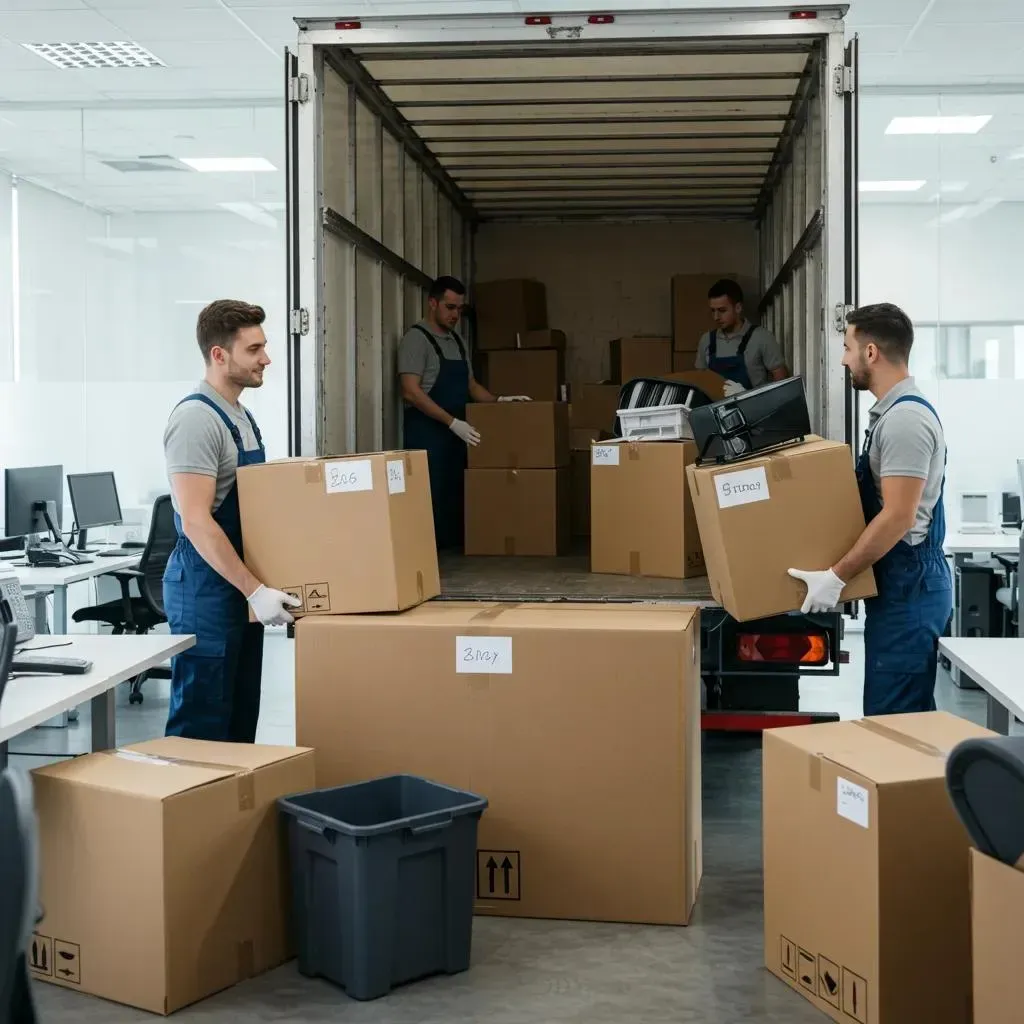
- Don’t overlook the importance of packing supplies like tape, bubble wrap, and packing paper. It’s advisable to have thick markers on hand to label the top and one side of each box with the corresponding room, ensuring a swift and effortless delivery.
- Adjustable boxes for TVs and pictures/mirrors are available online or at box stores as well. Most movers regard any item that exceeds the dimensions of the small, medium, large, or extra-large boxes as part of the moving process, and they have efficient methods for protecting those items with moving blankets and proper truck loading.
- Avoid using newspaper as packing material; this practice is outdated. We’ve seen that today’s newspapers can leave ink stains on glass. Always line both the top and bottom of your packed boxes with crumpled paper or bubble wrap to provide cushioning for fragile items. Fragile items should be disassembled and packed separately with packing paper or bubble wrap for maximum protection.
- It can be beneficial to acquire more materials than necessary, as many can be returned later.
- Here are the typical box counts: a single person usually requires under 40 boxes; two adults generally need between 50-60 boxes; two adults with a child typically average 60-70 boxes; and a family of four to five generally needs about 70-100 boxes. For homes exceeding 2,600 sq. ft., we can usually anticipate a count ranging from 120 to 200 boxes.
- Professional movers often position large pictures, mirrors, and televisions between mattresses and box springs during loading.
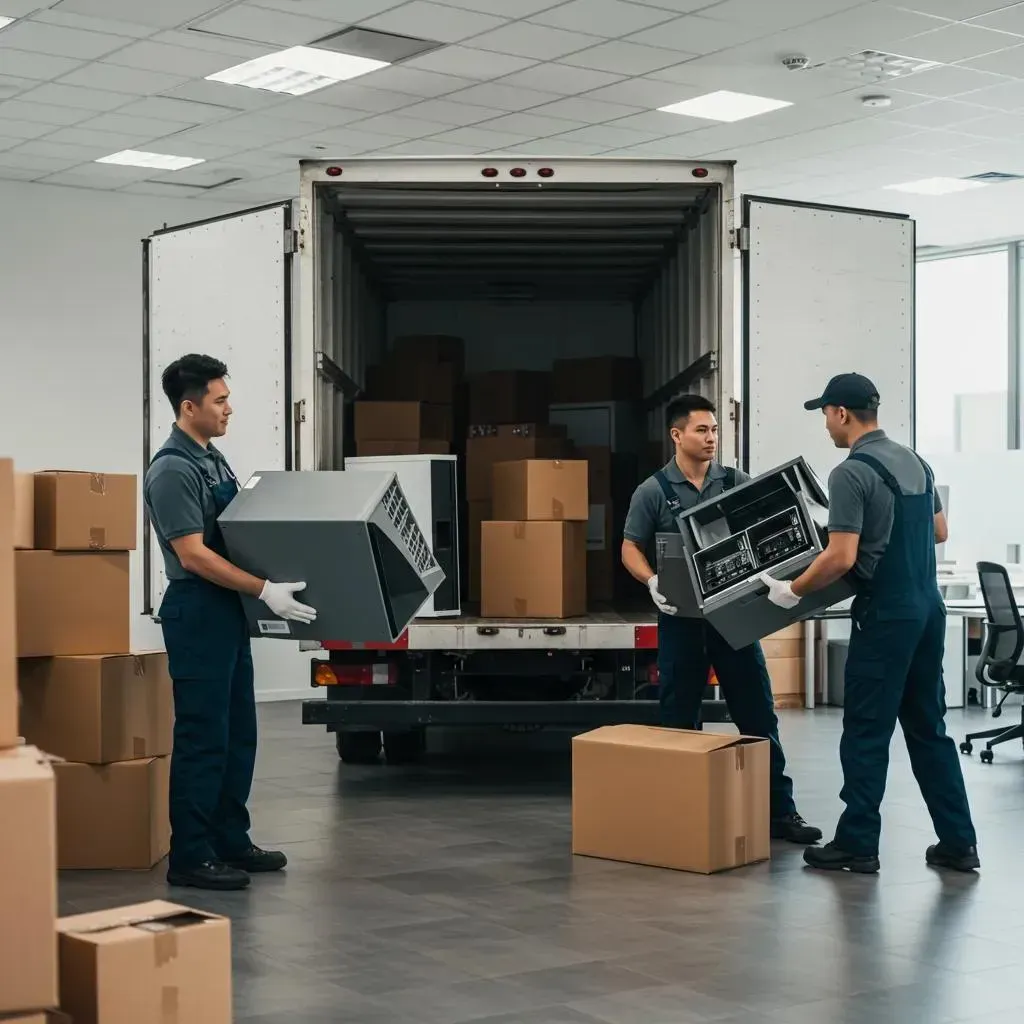
- Many movers have the capability to relocate an entire home or apartment in a single day with a partial pack, usually comprising under 30 boxes. This situation often arises when clients lack the time to complete packing or prefer to ensure the safety and insurance of their fragile items by having them packed by professionals.
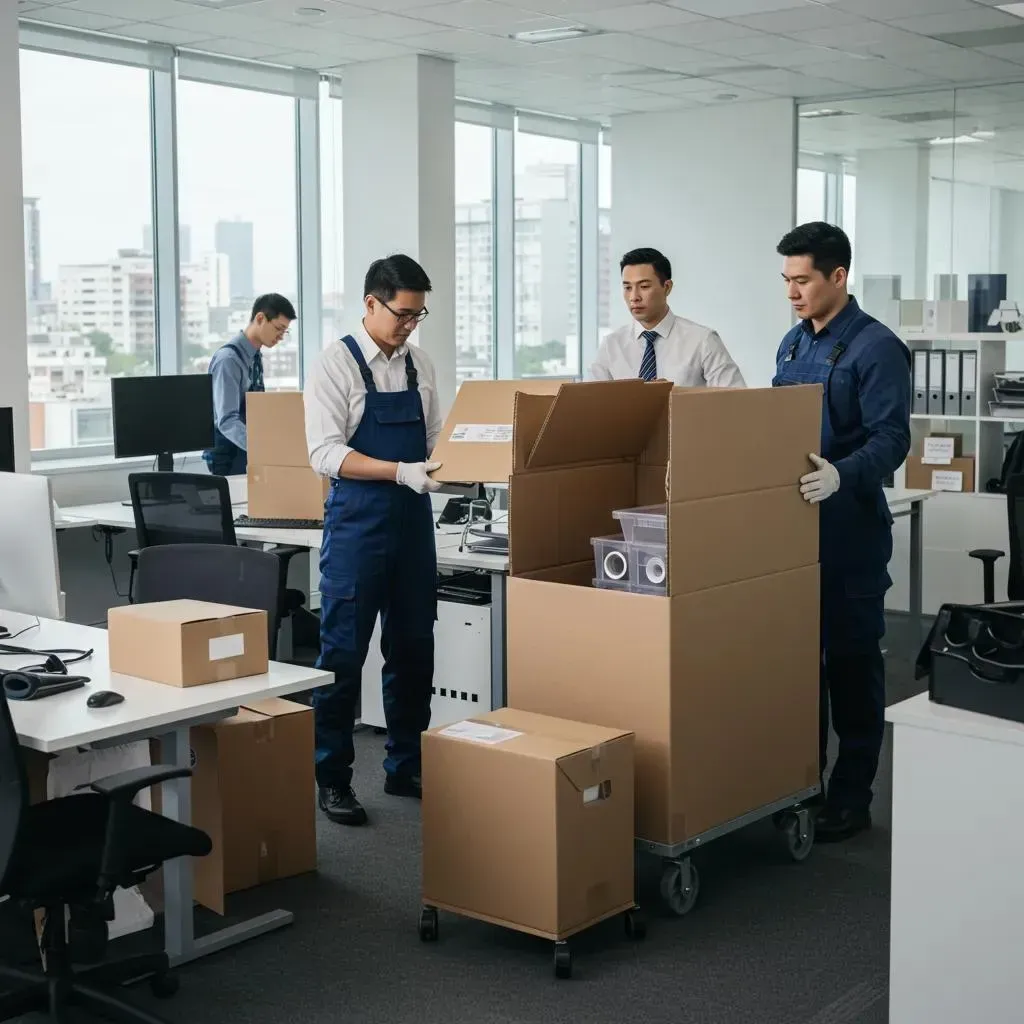
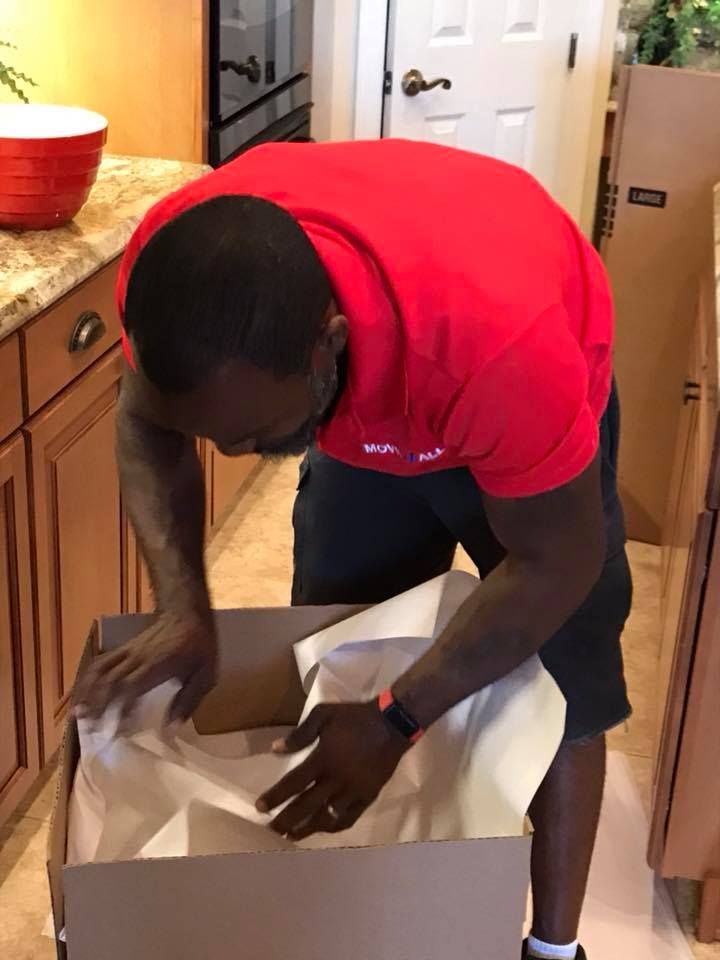
- With a FULL PACK & MOVE, the homeowner is only required to set aside items that should not be packed, such as keys, medicine, important papers, toothbrushes, and cable equipment that needs to be returned. Typically, full packing by professionals is completed the day before the move.
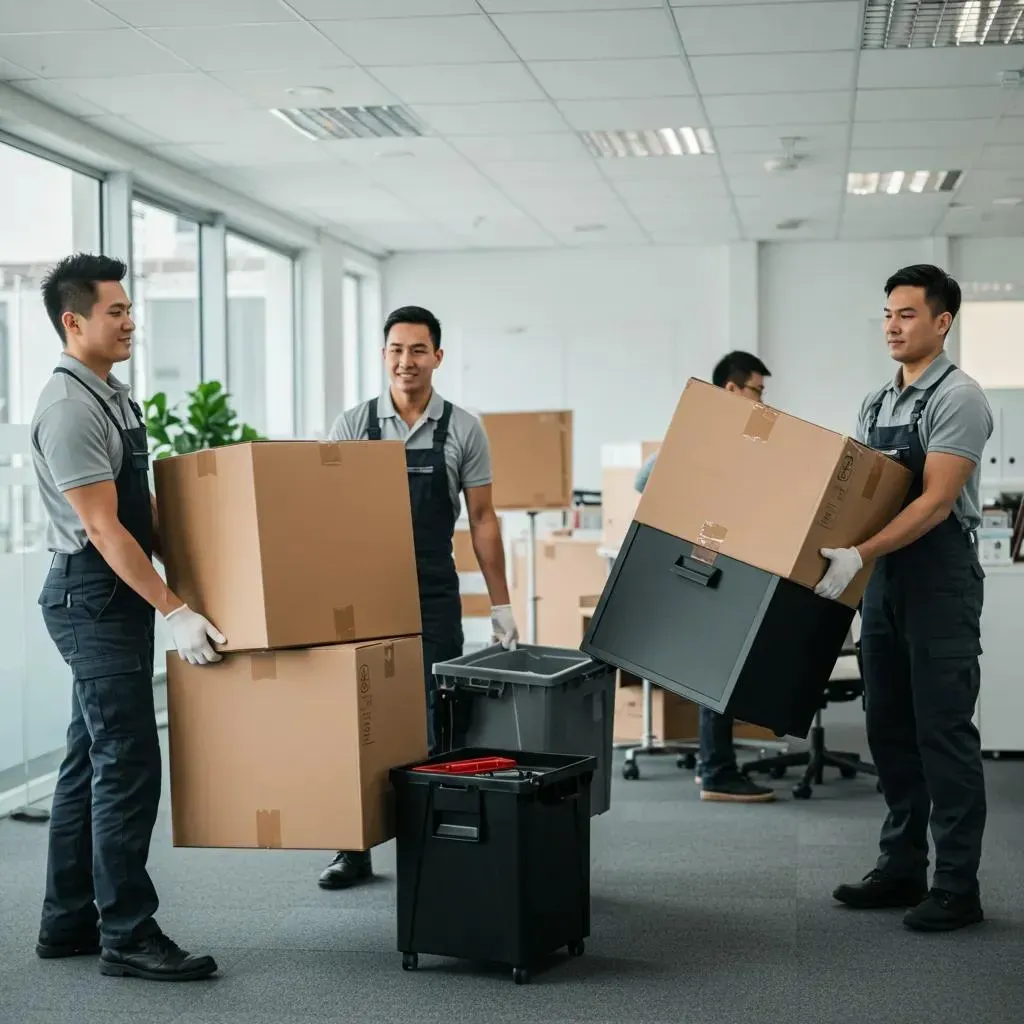
- If you choose to pack yourself, leave the boxes where they are. Stacking them in one area does not expedite the process; movers require various box sizes and weights for efficient loading, much like playing "Tetris."
- Most movers' insurance permits fabric items to remain in drawers and cabinets. This strategy can save on boxes and optimize space in the truck or storage unit; however, it can complicate matters for your movers if stairs are involved.
- For further details and pricing on our professional packing services, please contact MOVE IT ALL, LLC at 407-750-2323. We are always eager to assist you.
MOVE IT ALL
Orlando, FL
407-750-2323
info@fullservicemover.us
https://www.fullservicemover.us
"Founded in 2006, MOVE IT ALL is a reputable moving company based in Orlando, Florida, catering to residential, commercial, medical, industrial, and office clients. Our team of skilled movers delivers comprehensive full-service packing and moving solutions. We handle residential packing and moving (home mover), as well as commercial packing and moving (business mover, office mover, medical mover, and industrial mover). Our full-service moving package includes professional movers, a spacious moving truck, necessary equipment, tools to disassemble and reassemble furniture, moving blankets, shrink wrap, and tape—all available at one straightforward rate. We provide both local moving services and nationwide long-distance moving solutions."