BLOG
We Earned Their TRUST...
Now, Let Us Earn Yours!
How to Prepare Your House for Movers

Hiring professional movers can take a lot of physical work off your shoulders, but a little preparation before the moving crew arrives can make the day much easier.
Preparing your house doesn't necessarily mean doing everything yourself. In fact, if you've hired professional movers for packing, loading, or other services, your preparation may be different.
The goal is simple:
Make it easy for the movers to safely and efficiently do their job.
Whether you're moving across Orlando, somewhere else in Central Florida, or making a long-distance move, these steps can help you prepare.
1. Decide What the Movers Are Moving
Before moving day, determine exactly what is going with the movers.
Separate items that are:
- Staying behind
- Being donated
- Being sold
- Going into storage
- Traveling with you personally
- Being discarded
This is particularly important when moving out of a house you're selling.
You don't want movers accidentally loading something that was supposed to remain at the property.
2. Finish Packing if You're Packing Yourself
If you've hired movers only for loading and transportation, try to have your belongings packed before the crew arrives.
Boxes should ideally be:
- Closed
- Taped
- Labeled
- Ready to move
Avoid leaving loose belongings scattered throughout the house.
If you've hired professional packing services, however, you don't necessarily need to complete this step yourself.
3. Label Your Boxes
Clear labeling can make unloading much easier.
Instead of simply writing:
BOX 1
consider labeling it:
KITCHEN — DISHES
or:
MASTER BEDROOM — CLOTHING
You can also use room names such as:
- Kitchen
- Master Bedroom
- Bedroom 2
- Office
- Garage
- Living Room
This helps movers understand where boxes should go at the destination.
4. Create an Essentials Bag
Don't accidentally send everything you need onto the moving truck.
Set aside an essentials bag containing things you'll need immediately.
Consider including:
- Phone charger
- Wallet
- Identification
- Medications
- Toiletries
- Change of clothes
- Important documents
- Basic cleaning supplies
- Snacks
- Water
- Children's necessities
- Pet supplies
Think of it as your first-night survival kit.
5. Separate Valuable and Important Items
Certain belongings may be better kept with you.
Examples can include:
- Jewelry
- Cash
- Important documents
- Passports
- Keys
- Personal identification
- Medications
- Small electronics
- Irreplaceable sentimental items
Put these items somewhere clearly separated from the belongings being moved.
6. Clear the Walkways
Movers need clear paths between the furniture, boxes, doors, and moving truck.
Before the crew arrives, remove unnecessary obstacles from:
- Hallways
- Staircases
- Doorways
- Garages
- Walkways
- Driveways
This can make it easier and safer to carry large furniture.
7. Protect Children and Pets
Moving day can be chaotic.
Doors may remain open while furniture and boxes are being carried in and out.
Children and pets should be kept away from active moving areas.
For pets, consider placing them in a quiet secure room or making arrangements for them to stay elsewhere during the busiest part of the move.
This reduces the possibility of an accidental escape or injury.
8. Make Sure the Movers Can Access Your Home
Think about how the moving truck will reach your property.
Consider:
- Driveway access
- Street parking
- Gated communities
- Apartment entrances
- Elevators
- Stairs
- Long walks from the truck
- Narrow access points
If you're moving from a condominium or apartment, check whether the building requires an elevator reservation or has specific moving hours.
9. Tell Your Movers About Stairs
Don't wait until moving day to mention a large staircase.
Let your moving company know about:
- Interior stairs
- Exterior stairs
- Multiple floors
- Narrow staircases
- Spiral stairs
- Long flights of stairs
Access information can help the moving company plan the labor and equipment needed for your move.
10. Identify Large and Heavy Items
Make sure your movers know about unusual items before moving day.
Examples include:
- Pianos
- Safes
- Pool tables
- Hot tubs
- Large refrigerators
- Commercial equipment
- Heavy exercise equipment
- Large furniture
- Industrial machinery
Some items require additional planning or specialized equipment.
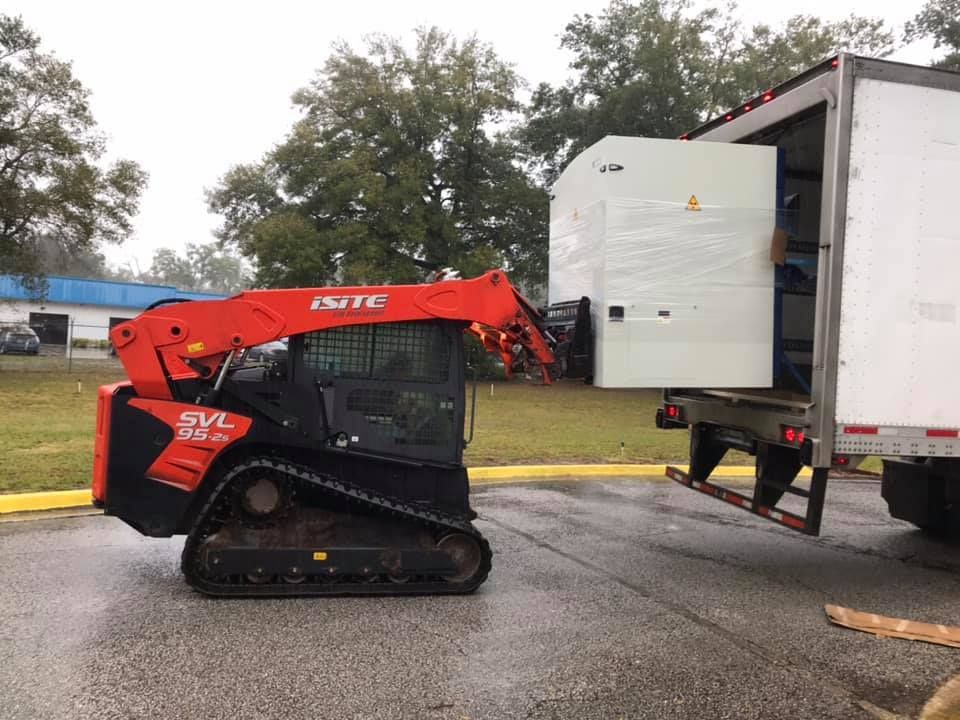
MOVE IT ALL provides large and heavy item moving services for qualifying projects.
11. Take Measurements
One of the most frustrating moving-day problems is discovering that a large piece of furniture doesn't fit through an entrance.
Before moving especially large furniture, consider measuring:
- Doorways
- Hallways
- Staircases
- Elevators
- Ceiling heights
- Tight corners
If you aren't sure whether something will fit, tell your moving company ahead of time.
12. Disconnect Appliances Properly
Certain appliances may require preparation before they can be moved.
Examples include:
- Refrigerators
- Washers
- Dryers
- Dishwashers
- Ovens
Don't assume movers will automatically disconnect every appliance.
Ask what preparation is required for your particular move.
13. Empty Drawers When Appropriate
Heavy furniture can become significantly heavier when drawers are full.
Depending on the furniture and moving company's procedures, removing contents from drawers may make pieces easier to handle.
Ask your movers whether drawers should remain in the furniture or be removed before moving.
14. Take Photos of Valuable Items
Before your belongings are moved, consider taking photographs of valuable or particularly important items.
Photographs can document the condition of items before the move.
This can be particularly useful for:
- Antiques
- Artwork
- Electronics
- Expensive furniture
- Collectibles
- Specialty equipment
15. Protect Floors and High-Traffic Areas
Moving means people repeatedly walking between your house and the moving truck.
Depending on the circumstances, floor protection may be appropriate.
You can discuss protection options with your moving company, especially if you're concerned about:
- Hardwood
- Tile
- Carpet
- Newly installed flooring
- Newly renovated areas
16. Don't Overload Boxes
A box full of books can become extremely heavy.
Instead of putting everything into one large box, distribute heavy items among several boxes.
A good rule is:
Heavy items in smaller boxes. Lighter items in larger boxes.
This makes boxes easier to handle.
17. Keep Hardware Together
If furniture is disassembled, keep screws, bolts, brackets, and other hardware organized.
A labeled bag attached to the appropriate piece of furniture can help prevent hardware from getting lost.
For example:
MASTER BED — HARDWARE
DINING TABLE — HARDWARE
18. Keep the New Home Ready
If you're moving into a new home, prepare the destination before the movers arrive.
If possible:
- Turn on utilities
- Make sure the home can be accessed
- Clear pathways
- Reserve elevators if necessary
- Arrange parking
- Know where furniture should go
- Label rooms
This can make unloading considerably easier.
19. Tell the Movers Where Furniture Goes
You don't necessarily want to move a 300-pound dresser twice.
Before unloading begins, know where major furniture pieces should go.
You can provide simple instructions such as:
Sofa → Living Room
Bed → Master Bedroom
Desk → Office
Dining Table → Dining Room
Clear instructions can save time.
20. Don't Try to Do Everything Yourself
One of the reasons people hire professional movers is to avoid doing the entire physical move themselves.
You don't have to:
- Lift heavy furniture
- Carry large appliances
- Load an entire truck
- Drive a large moving truck
- Unload everything yourself
If you need help with packing, loading, transportation, unloading, or specialty items, discuss those services with your moving company.
What Should You Do the Night Before Moving Day?
Try to have the essentials handled before you go to sleep.
Your night-before checklist:
☐ Finish packing what you're responsible for
☐ Label boxes
☐ Separate valuables
☐ Prepare your essentials bag
☐ Prepare children's items
☐ Prepare pet supplies
☐ Charge your phone
☐ Confirm the movers' arrival information
☐ Make sure pathways are clear
☐ Confirm parking/access
☐ Set aside keys and important documents
Then get some rest.
Moving day can be physically demanding even when professional movers are doing the heavy lifting.
What Should You Do When the Movers Arrive?
When the moving crew arrives:
Show them the home
Point out rooms, stairs, large items, fragile belongings, and anything requiring special attention.
Explain what isn't being moved
Clearly identify items that should remain behind.
Identify special items
Point out pianos, safes, heavy furniture, appliances, and other unusual items.
Confirm the destination
Make sure the movers have the correct delivery information.
Ask questions
If you're unsure about something, ask before the crew begins moving it.
Do Movers Need Everything Packed Before They Arrive?
Not necessarily.
It depends on the services you've hired.
If you're hiring a moving company for loading and transportation only, you will generally want your belongings packed and ready.
If you've hired professional packing services, the movers may handle some or all of the packing for you.
When requesting your estimate, explain exactly how much packing help you need.
How Early Should You Start Preparing?
For a small move, preparation might begin relatively close to moving day.
For a larger household, starting several weeks ahead can make the process much less stressful.
Begin with things you don't use every day:
- Seasonal decorations
- Extra clothing
- Books
- Collectibles
- Storage areas
- Guest rooms
Then gradually work toward everyday belongings.
Preparing for Your Orlando Move
Whether you're moving across Orlando or relocating somewhere else in Central Florida, preparation can make moving day more efficient.
MOVE IT ALL provides:
- Residential moving
- Commercial moving
- Local moving
- Long-distance moving
- Packing
- Loading
- Unloading
- Furniture moving
- Large and heavy item moving
- Specialty moving
If you're not sure how much help you need, tell us about your move and we can discuss the services that may fit your situation.
Frequently Asked Questions
What should I do before movers arrive?
Pack and label your belongings if you're handling the packing yourself, clear pathways, separate valuables, secure pets and children, and make sure the movers can access your home.
Should I empty my house before movers arrive?
No. Your movers are there to move your belongings. However, you should remove items that aren't being moved and clearly identify anything that should remain behind.
Should I label moving boxes?
Yes. Labeling boxes by destination room can make unloading and organizing your new home easier.
Should I move valuables myself?
Many people choose to personally transport jewelry, important documents, medications, cash, and irreplaceable personal items.
Do I need to disconnect appliances before movers arrive?
Some appliances may require preparation or professional disconnection. Ask your moving company what is required for your specific appliances.
What if my furniture won't fit through the doorway?
Tell the movers before moving day if you know of potential access problems. Depending on the furniture and circumstances, disassembly or another moving strategy may be necessary.
Should I prepare my new home before the movers arrive?
Yes. Whenever possible, make sure the destination is accessible, utilities are available, pathways are clear, and you know where major furniture should go.
Need Help Preparing for Moving Day?
A little preparation can make a big difference.
MOVE IT ALL provides residential and commercial moving services throughout Orlando and Central Florida.
Whether you need help with packing, loading, transportation, unloading, furniture, or large and heavy items, we're here to help.
Call or text 407-750-2323 for a free estimate.